
Home › Blog › Photoshoot makeup
Photoshoot Makeup Products Used by Pro Artists in Vietnam
By the Vietnam Makeup Artist team · 2026-11-06
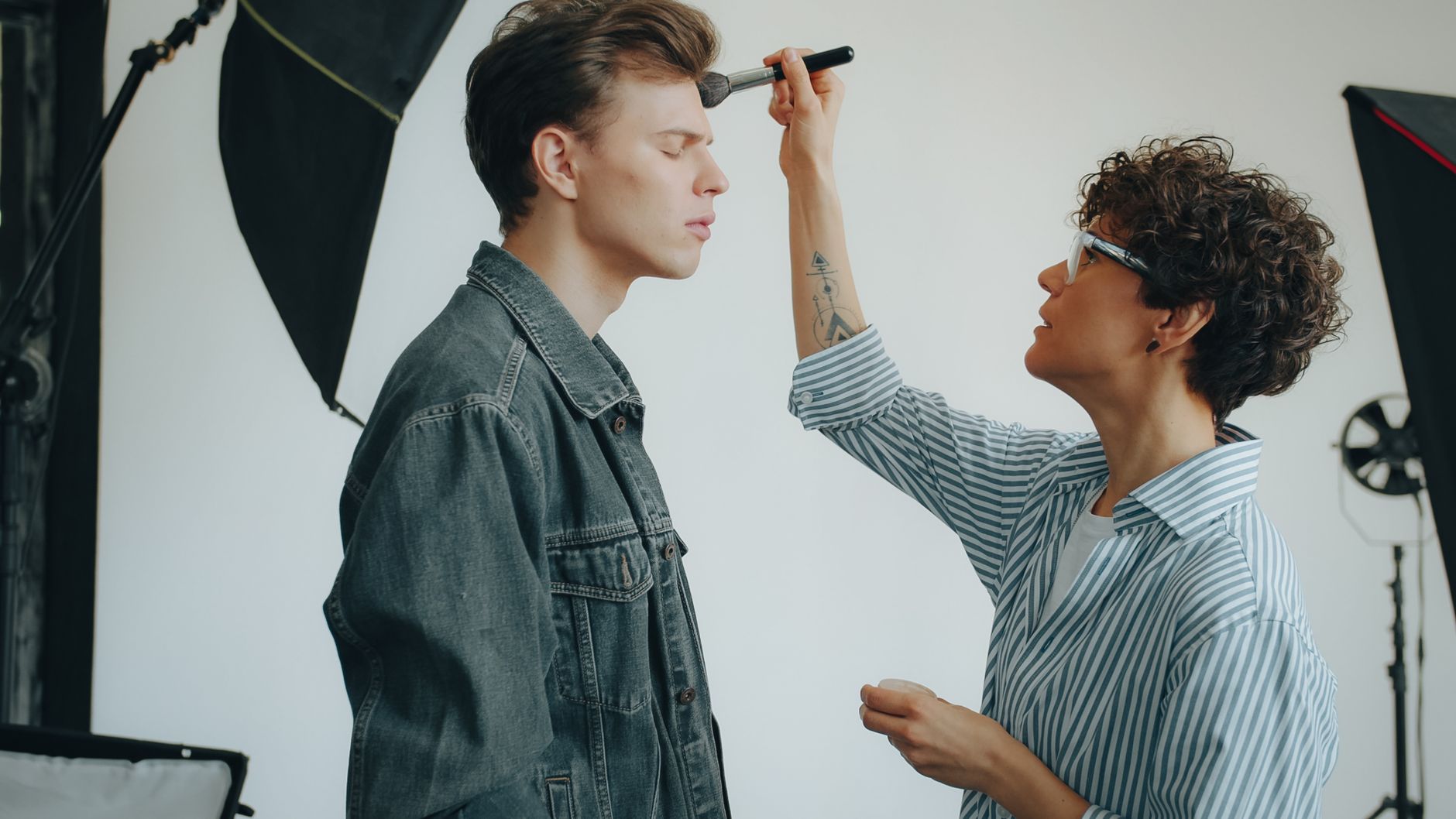
Photoshoot makeup products must handle Southeast Asia's heat, humidity, and hours under studio or natural light without fading, creasing, or shifting undertones. We at Vietnam Makeup Artist by Cáo MakeUp use silicone-based primers, waterproof long-wear foundations with minimal transfer, cream and powder contour for blending control, and eyeshadow bases that lock colour in place. Session length depends on the shoot: test shots (30 min), editorial (2–4 hours), ao dai or elopement (3–5 hours). We match undertones against both daylight and artificial light, test on the client's jawline and décolletage, and prep skin with hydration and primer to combat sweat and oil. Ask us for a quote on WhatsApp; bring reference photos, detail your shoot location (indoor/outdoor heat exposure), and confirm whether you're wearing traditional or Western dress. Book on WhatsApp +84 338 762 340 | Explore photoshoot makeup
What foundation formula survives heat and humidity best?
Water-resistant long-wear foundations with a matte or satin finish are non-negotiable for photoshoots in Vietnam. Silicone-based formulas create a breathable barrier that resists sweat and humidity without feeling heavy. We avoid dewy finishes (they read as oily on camera) and water-based foundations (they break down in 90%+ humidity within 2–3 hours). Apply in thin, layered strokes; set each layer with translucent powder before the next. The foundation must match not only undertone but also the light where the shoot happens: outdoor midday sun reads cooler and more yellow; indoor tungsten reads warmer. Always swatch on the jawline in the actual shoot location before committing. Test it on a trial shoot or dedicated trial appointment to confirm it photographs evenly and doesn't separate by hour three.

How do you match undertones when clients have mixed or deeper skin?
Undertone matching for mixed and deeper skin tones requires testing against both daylight and the shoot's actual light source, not assumption. Cooler undertones (olive, red) can disappear under warm studio lights; warmer undertones (golden, red-orange) can read muddy in cool daylight. We swatch three shades—one lighter, one your exact match, one darker—on the jawline, neck, and décolletage in both the studio and outdoor light. Watch how each shade blends with the client's natural skin: if it sits on top, it's wrong. If it disappears into the skin and matches the vein colour on the wrist, it's correct. Deeper skin tones often need warmer or more saturated undertones in foundations; don't default to "darker shade of a lighter-skin formula." Bring photos of past makeup or reference looks you loved so we can dial in your exact undertone and the depth that suits your shoot's mood. For editorial or Korean-style makeup looks, undertone becomes even more critical because layered shading and contouring amplify any mismatch.
What primer and setting method keeps makeup in place all day?
A silicone-based primer applied to clean, hydrated skin creates a grip that foundations and eyeshadows cling to for 5+ hours. Apply primer in a thin, even layer; let it dry to a tacky finish before foundation. On oily zones (T-zone, under eyes), use a mattifying primer; on dry zones, use a hydrating one. After foundation, dust translucent powder only on areas prone to shine (forehead, nose, chin, under eyes); skip the rest to avoid a cakey look on camera. Between touch-ups, use blotting sheets, not powder—powder layers and photographs as texture. For eyeshadow, use a dedicated eyeshadow primer, not face primer alone; it locks colour and prevents creasing despite sweat. Set the entire look with a long-wear setting spray (allow 30–60 seconds to dry), then reapply selectively if the shoot extends past 4 hours. Humidity and heat will still cause minor fading; plan for one touch-up session mid-shoot. This order matters: primer → foundation → powder (selective) → eyeshadow → lips → setting spray.
Which product types photograph better than others under studio and natural light?
| Product | Studio Light (Tungsten) | Natural Daylight | Why It Matters | Best For |
|---|---|---|---|---|
| Matte foundation | Reads flat, no reflection | Reads slightly yellow | Studio minimises shine; daylight needs slight warmth | Controlled indoor shoots |
| Satin foundation | Slight glow, natural | Glows evenly, readable | Both lights flatter; most versatile | Mixed indoor/outdoor |
| Cream contour | Blends seamlessly | Blends seamlessly | Buildable, forgiving, less chance of harsh lines | All skin tones, heat |
| Powder contour | Blends faster, sharper | Blends faster, sharper | High definition, but can look drawn if not blended | High-contrast editorial |
| Liquid eyeshadow | No creasing, vibrant | Vibrant, true colour | Waterproof, survives 5+ hours heat | Long shoots, humid outdoor |
| Cream eyeshadow | Blends easily, softer | Softer, more natural | Buildable, forgiving; creases if no primer | Short shoots, natural light |
| Matte lip | Photograph sharp, true | True colour | No migration, reads on camera | All shoots |
| Satin lip | Slight dimension | Slight dimension | Easier touch-up, less drying | Long shoots, comfort |
Studio lighting emphasizes texture and dimension; use cream products for blend-ability and low-shine finishes. Daylight demands more saturation and warmth; slightly warmer undertones read more flattering than in tungsten. For bridal makeup and elopement shoots, satin finishes photograph as "soft glow" rather than oily. For event and party makeup under stage lights, matte foundations and liquid eyeshadow prevent glare and creasing.

What's the timing and prep order for a full photoshoot makeup session?
A typical shoot timeline depends on complexity and heat exposure:
30-minute quick shot (headshot, profile, minimal retouching needed): Cleansed skin (5 min) → primer (2 min) → foundation (8 min) → powder (2 min) → eyeshadow and liner (8 min) → lips and blush (3 min) → final setting spray (2 min).
2–4 hour editorial or product shoot (multiple looks, outfit changes, touch-ups): Skin prep (10 min: cleanse, hydrate, primer) → base look (30 min: foundation, contour, highlight) → eyes (20 min per look) → lips (5 min) → final spray (3 min). Build in 15–20 min between outfit changes for touch-ups and product reapplication as needed.
3–5 hour ao dai or wedding photoshoot (single detailed look, extended outdoor/indoor): Full skin prep (15 min) → base (35 min) → eyes (25 min) → contouring and highlight (15 min) → lips (5 min) → setting spray (5 min). Plan 20–30 min mid-shoot for blotting, powder touch-up, and lip reapplication. Bring a touch-up kit: blotting sheets, translucent powder, setting spray, lip colour, and hydrating mist.
Heat and humidity accelerate shine and colour fade; allocate extra time in high-heat shoots (midday outdoor, humid season). We always arrive 30–45 minutes before the shoot start to assess light, skin condition, and any last-minute adjustments. For bridesmaids and group makeup, multiply timing by the number of people and add 15–20 min buffer for group coordination.
Book on WhatsApp +84 338 762 340
How do you prep skin and products for Vietnam's climate?
Skin prep in high humidity is half the battle. Start with a hydrating cleanser that removes oil without drying—dehydrated skin overcompensates by producing more oil, which breaks down makeup faster. Follow with a hydrating toner or essence, then a lightweight moisturizer (avoid heavy creams; they slide under makeup). Wait 5–10 minutes for skin to fully absorb before applying primer. On the morning of the shoot, use a hydrating mist 10 minutes before makeup if time allows; this locks hydration into skin and reduces the need for setting powder layers. Store all products in a cool place (not in direct sun or a hot car) for at least 30 minutes before use; warm products blend unevenly and set irregularly. Silicone-based products remain stable in heat; water-based products separate faster. Bring extra blotting sheets, a spray bottle of hydrating mist, and a small portable fan for quick cool-downs between setups. If the shoot extends into peak heat (11 a.m.–3 p.m.), plan for 15-minute breaks in shade or air-conditioning to let skin reset and products dry properly. This approach is essential for hotel makeup and outdoor elopement makeup where clients may move between spaces with different temperatures and humidity levels.
What should you check before booking photoshoot makeup?
Before booking, confirm:
- Shoot location and timing: Indoor studio (controlled humidity), outdoor daytime (high heat/UV), or mixed? Morning, afternoon, or evening?
- Shoot duration: Quick headshot or full-day coverage? This determines product choice and touch-up needs.
- Dress code: Western, ao dai, or mixed outfits? Neckline, colour, and style affect makeup tone and intensity.
- Reference photos: Bring 3–5 looks you love so we understand your style and can match undertones to those lighting conditions.
- Skin concerns: Oily T-zone, sensitive areas, hyperpigmentation, or recent treatments? We need to know to adjust primers and foundations.
- Colour preferences: Natural and dewy, or bold and matte? High-definition editorial, or soft and romantic?
- Previous makeup history: What products have you worn before? Any allergies or sensitivities?
- Budget and trial preferences: Ask us for a quote on WhatsApp and book a trial shoot or dedicated trial appointment if this is your first time with us.
Discuss these details during the WhatsApp consultation or a in-person trial; this prevents surprises on shoot day and gives us time to source the exact products that suit your skin, undertone, and vision.
Plan your wedding-day look | Read all makeup guides
FAQ
Can I use the same photoshoot makeup for indoor studio and outdoor daylight shoots?
No. Indoor tungsten light reads warm and forgiving; outdoor daylight reads cooler and more critical. We adjust undertone warmth and foundation finish between shoots. Satin foundations work for both; matte suits studio, and dewy suits daylight (though dewy reads oily on camera, so satin is safer). Always test in the actual light before the full shoot.
How often do you need touch-ups during a long photoshoot?
In Vietnam's heat and humidity, expect touch-ups every 1.5–2 hours for a 4+ hour shoot. Oil and sweat cause shine, colour fading, and eyeshadow creasing. We bring a dedicated touch-up kit: blotting sheets, translucent powder, setting spray, and lip colour. Mid-shoot breaks in air-conditioning help products reset and extend time between touch-ups.
What's the difference between photoshoot makeup and everyday makeup?
Photoshoot makeup uses longer-wear formulas, fuller coverage, and more defined shading to read clearly on camera and under studio or natural light. Eyeshadow and liner are bolder; contour is more precise. Everyday makeup is lighter and more forgiving. For event and party makeup, the line blurs—events often need photoshoot-level durability but less intense definition.
Should I do a trial photoshoot before the real shoot?
Yes, highly recommended. A trial reveals how products photograph in the actual light, how undertones read, and whether durability matches your needs. If this is your first time with us or you're unsure about the look, a trial shoot (or a dedicated trial appointment) prevents regret on shoot day and lets us adjust products and technique in advance.
What if I have a darker or olive undertone—will photoshoot makeup look ashy?
No, if we match correctly. Ashy undertones happen when the foundation is too cool or too light. We swatch deeper, warmer shades on your jawline and neck in the actual shoot light. Olive undertones often need warmer or slightly more saturated foundations; deeper skin tones need saturation in contour and eyeshadow so shading reads on camera, not as shadow. A trial appointment confirms the right shade before shoot day.
Can I wear photoshoot makeup for events or parties too?
Absolutely. The durability, colour intensity, and camera-ready finish suit long events, galas, and parties—especially if you'll be photographed. For event and party makeup, we use the same long-wear base and primers but often soften intensity or adjust undertone for ambient event lighting (which is often warmer and less clinical than studio light). Ask us for a quote on WhatsApp for event-specific looks.
What products do you recommend for keeping makeup intact in outdoor shoots in peak summer heat?
Silicone-based primer, waterproof long-wear foundation, cream contour, liquid eyeshadow, and waterproof mascara and liner. Set with setting spray and bring a hydrating mist to refresh skin between setups. Blotting sheets (not powder) are your friend. If possible, schedule outdoor shoots in early morning or late afternoon to avoid peak midday heat (11 a.m.–3 p.m.).
Where are Cáo MakeUp's studios?
Cáo MakeUp has 6 studios across Vietnam: Hanoi: 11 Lien Tri, Hoan Kiem · 15A1 KDT Dai Kim, Hoang Mai · D02-L44 An Vuong, KDT Duong Noi; Ho Chi Minh City: A1.12 Ha Kieu Apartment, Street No. 20, An Nhon Ward, Go Vap; Da Nang: 108 Hoi Kieng 18, Ngu Hanh Son Ward; Hue: 63 Vo Duy Ninh, Thanh Thuy Ward, Hue. Hotline +84 865 239 183 · WhatsApp +84 338 762 340.
Book an artist
Tell us the city, the date, the occasion and how many people. We reply on WhatsApp in English with options and a quote.
FAQ
Can I use the same photoshoot makeup for indoor studio and outdoor daylight shoots?
No. Indoor tungsten light reads warm and forgiving; outdoor daylight reads cooler and more critical. We adjust undertone warmth and foundation finish between shoots. Satin foundations work for both; matte suits studio, and dewy suits daylight (though dewy reads oily on camera, so satin is safer). Always test in the actual light before the full shoot.
How often do you need touch-ups during a long photoshoot?
In Vietnam's heat and humidity, expect touch-ups every 1.5–2 hours for a 4+ hour shoot. Oil and sweat cause shine, colour fading, and eyeshadow creasing. We bring a dedicated touch-up kit: blotting sheets, translucent powder, setting spray, and lip colour. Mid-shoot breaks in air-conditioning help products reset and extend time between touch-ups.
What's the difference between photoshoot makeup and everyday makeup?
Photoshoot makeup uses longer-wear formulas, fuller coverage, and more defined shading to read clearly on camera and under studio or natural light. Eyeshadow and liner are bolder; contour is more precise. Everyday makeup is lighter and more forgiving. For [event and party makeup](/event-makeup), the line blurs—events often need photoshoot-level durability but less intense definition.
Should I do a trial photoshoot before the real shoot?
Yes, highly recommended. A trial reveals how products photograph in the actual light, how undertones read, and whether durability matches your needs. If this is your first time with us or you're unsure about the look, a trial shoot (or a dedicated trial appointment) prevents regret on shoot day and lets us adjust products and technique in advance.
What if I have a darker or olive undertone—will photoshoot makeup look ashy?
No, if we match correctly. Ashy undertones happen when the foundation is too cool or too light. We swatch deeper, warmer shades on your jawline and neck in the actual shoot light. Olive undertones often need warmer or slightly more saturated foundations; deeper skin tones need saturation in contour and eyeshadow so shading reads on camera, not as shadow. A trial appointment confirms the right shade before shoot day.
Can I wear photoshoot makeup for events or parties too?
Absolutely. The durability, colour intensity, and camera-ready finish suit long events, galas, and parties—especially if you'll be photographed. For [event and party makeup](/event-makeup), we use the same long-wear base and primers but often soften intensity or adjust undertone for ambient event lighting (which is often warmer and less clinical than studio light). Ask us for a quote on WhatsApp for event-specific looks.
What products do you recommend for keeping makeup intact in outdoor shoots in peak summer heat?
Silicone-based primer, waterproof long-wear foundation, cream contour, liquid eyeshadow, and waterproof mascara and liner. Set with setting spray and bring a hydrating mist to refresh skin between setups. Blotting sheets (not powder) are your friend. If possible, schedule outdoor shoots in early morning or late afternoon to avoid peak midday heat (11 a.m.–3 p.m.).
Where are Cáo MakeUp's studios?
Cáo MakeUp has 6 studios across Vietnam: Hanoi: 11 Lien Tri, Hoan Kiem · 15A1 KDT Dai Kim, Hoang Mai · D02-L44 An Vuong, KDT Duong Noi; Ho Chi Minh City: A1.12 Ha Kieu Apartment, Street No. 20, An Nhon Ward, Go Vap; Da Nang: 108 Hoi Kieng 18, Ngu Hanh Son Ward; Hue: 63 Vo Duy Ninh, Thanh Thuy Ward, Hue. Hotline +84 865 239 183 · WhatsApp +84 338 762 340.
More like this
Photoshoot makeup
Makeup for Pre-Wedding Photoshoot Hanoi Old Quarter for Foreigners
Pre-wedding photoshoots in Hanoi's historic Old Quarter demand makeup that survives heat, humidity, and 4–6 hours on location. We specialize in climate-proof looks for Western and mixed-race couples, with on-location service and Vietnamese undertone expertise.
Photoshoot makeup
Best Photoshoot Makeup Tay Ho: Professional Looks for Your Hanoi Session
Photoshoot makeup in Tay Ho demands more than everyday polish: it must survive Hanoi's humidity, translate on camera, and match your creative brief. We'll walk you through how to choose the right artist, what to prepare, and how we ensure your look lasts.
Photoshoot makeup
Photoshoot Makeup: What to Prepare Before Your Session
A successful photoshoot depends on preparation before the makeup artist arrives. We guide you through skin prep, timing, outfit choices, and communication so your makeup photographs beautifully and lasts through heat and humidity.