
Home › Blog › Photoshoot makeup
Photoshoot Makeup Long Lasting in Humidity: Heat-Proof Techniques for Vietnam
By the Vietnam Makeup Artist team · 2026-11-06
Long-lasting photoshoot makeup in humidity relies on three layers: silicone primer (not water-based) to repel moisture, transfer-resistant foundation and powder that grip skin without breaking down, and sealed brows and lips resistant to sweat. At Vietnam Makeup Artist by Cáo MakeUp in Hanoi and Ho Chi Minh City, we use setting sprays formulated for tropical climates—not beauty-counter versions—and apply makeup to a slightly dehydrated skin base (no oils, no serums 2 hours prior). Heat-proof techniques include double-setting with both powder and spray, waterproof eyeshadow primer under color, and cream products applied in thin layers then set immediately. Timing matters: complete makeup 30–45 minutes before the shoot to let formulas cure. Budget for professional-grade products (silicone-based, not drugstore) and expect a trial session to test your specific skin undertone and reaction to humidity. Cost varies by session length; ask us for a quote on WhatsApp. Book on WhatsApp +84 338 762 340
What primers actually stop sweat and humidity breakdown?
Water-based primers dissolve in sweat; silicone primers form a water-resistant seal. We apply silicone primer in a thin, even layer, wait 60 seconds, then apply foundation—this sandwich method prevents slippage even in 90% humidity. Mattifying silicone primers work best for oily and combination skin; hydrating silicone primers suit dry undertones. The primer must cure fully or foundation sits on a tacky surface and slides. Test any primer on your jawline 24 hours before the shoot; some silicone formulas cause congestion on sensitive skin. Conclusion: silicone primer is the non-negotiable first step; skip it and even professional foundation fails in heat.

How do you match undertone across mixed and Western skin on camera?
Camera flash and outdoor sunlight both shift undertone perception. We assess undertone in natural light indoors, then test the chosen shade on the jawline under the actual shoot location's lighting. Western skin often reads cooler under tungsten light; deeper tones show warmer undertones under the same light. Mixed-heritage skin requires a custom blend: we mix two foundations to bridge undertone gaps and prevent the "mask effect" on camera. On brown and deep skin, warm undertones (gold, orange) amplify under flash, so we sometimes choose a shade 0.5–1 level cooler than the client's natural match, then verify on test photos. Bring reference images of skin tones you've photographed before if you've done shoots; this cuts matching time in half. Conclusion: camera lighting shifts undertone by 1–2 shades, so test in the shoot location's actual light before committing.
Which setting methods survive 6+ hours on set without retouch?
Double-setting—powder first, spray second, powder again—outlasts single methods by 2–3 hours in humidity. We use translucent powder to avoid cast on camera, apply with a damp sponge to lock it, then mist with setting spray formulated for heat (tropical formulas have different polymers than standard ones). After the spray dries, a light dust of powder absorbs any remaining tackiness. Some makeup artists skip the final powder, but on humid shoots it causes the spray to bead and look wet on camera. For eyes: waterproof eyeshadow primer + cream shadow + translucent powder + setting spray keeps color locked even during multiple outfit changes. Lips: lip primer + long-wear liquid lipstick + translucent powder (pressed, not dusted) + setting spray holds for 4–5 hours without touch-ups. Conclusion: three-layer setting (powder, spray, powder) survives heat better than spray-only methods.
What formulas photograph well in sunlight without looking cakey?
Cream and liquid formulas sit closer to skin, reflect light evenly, and show less texture on closeup camera angles than powders alone. We layer liquid foundation + cream contour + powder on cheekbones and T-zone only, leaving the face fresh rather than full-coverage matte. Matte finishes read as flat and lifeless on digital camera in harsh sunlight; satin and natural finishes photograph with dimension and skin texture intact. Cream blush and bronzer blend seamlessly on camera and don't separate in heat the way some powder formulas do. For lips, cream liquid lipsticks (not ultra-matte) photograph more natural and don't emphasize lip lines as much. Cream eyeshadow creases less visibly than powder on hooded or monolid eyes common in our client base. Conclusion: cream-dominant formulas with powder only where needed photograph fresh, not caked, even in 6+ hour shoots.
How much time do you need before shooting to prevent makeup damage?
Complete makeup 30–45 minutes before camera rolling. During this window, silicone primer and foundation cure (crosslink), setting spray polymers harden, and powders firm. If you apply makeup 5 minutes before shooting, powders remain loose, spray is still tacky, and the first drop of sweat causes slippage. Clients traveling from hotel to outdoor shoot locations should have makeup done on-site or allow 15 minutes minimum after arrival to re-set without rushing. Brows need 10 minutes after setting spray before they're truly locked; eyeliner needs 3–5 minutes. We schedule arrival 1 hour before the first shot, allowing 45 minutes for makeup application plus a 15-minute buffer for touch-ups and client comfort. If shooting spans 8 hours with multiple outfit changes, plan a 10-minute makeup check and retouch every 2 hours; humidity intensifies after midday heat peaks. Conclusion: rushing makeup application into heat guarantees breakdown; add 30–45 minutes to your shoot schedule.
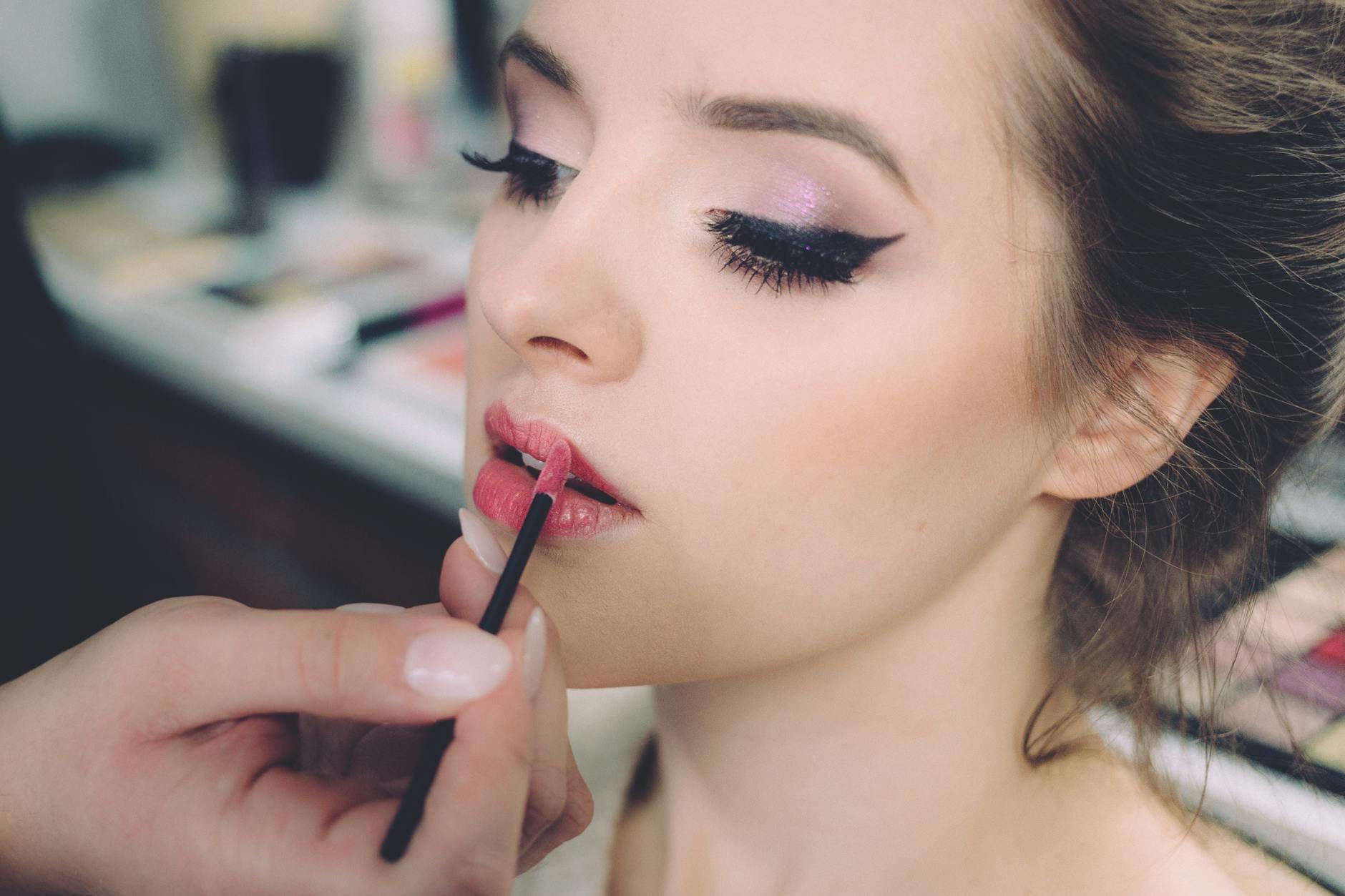
Photoshoot Makeup Technique & Product Type Comparison
| Technique / Product Type | Best For | Why It Works in Humidity | Common Mistake |
|---|---|---|---|
| Silicone primer + cream foundation | All skin types, outdoor shoots | Water-resistant seal + flexible formula moves with skin, doesn't crack | Applying silicone primer over moisturizer; cream sits on slippery surface |
| Powder + spray + powder layering | 4–8 hour shoots, mixed skin | Triple barrier traps sweat before it reaches makeup; spray locks powder particles | Skipping final powder; spray alone beads on skin |
| Cream eyeshadow + waterproof primer | Deep and mature skin, warm climates | Cream doesn't crease or separate in heat; primer prevents water from underneath lid | Using powder shadow over weak primer; it migrates within 90 minutes |
| Liquid long-wear lipstick + lip primer | Outdoor shoots, multiple takes | Polymer film bonds to lip primer, survives eating/drinking; doesn't feather into lines | Skipping primer; liquid lipstick alone bleeds at edges in sweat |
| Waterproof brow gel + powder | Hooded eyes, high humidity | Gel sets hair in place; powder locks gel without flaking | Over-applying gel; brows look stiff and unnatural on camera |
Real challenges photoshoot makeup faces in Vietnam's climate
Sweat on the forehead and hairline: Makeup slides fastest where skin produces most oil and sweat. We apply an extra layer of primer to the hairline 5 mm up into hair, extend powder setting to the entire hairline, and use a blotting powder during the shoot if needed—do not use blotting paper, which removes primer and foundation. Hairline breakage is the top flaw visible on camera close-ups.
Flash separation under eyes: Silicone-based foundation can appear slightly lighter under camera flash than in natural light. We test this by shooting a test photo under the actual lighting rig before committing to the full look. If separation occurs, we adjust undertone slightly warmer or add a micro-layer of cream contour to blend.
Powder fallout during outfit changes: Moving the head to pull on clothing dislodges loose powder. We seal powder with setting spray immediately, let it dry 3 minutes, then clients change carefully—slow, deliberate movements prevent powder clouds.
Cream formulas oxidizing in heat: Some cream foundations darken slightly 2–3 hours into heat exposure. We use only products with stable pigment bases and test oxidation risk in a trial session, sometimes mixing in a touch of lighter shade to preempt the shift.
Before you book a photoshoot makeup session, check these details
- Shoot location and time: Outdoor vs. indoor changes primer strategy. Midday sun requires heavier setting; early morning or evening allows lighter application.
- Duration and outfit count: 2-hour shoot ≠ 8-hour fashion shoot. Multi-outfit means multiple touch-ups built into timing.
- Lighting rig or natural light: Flash photography demands different undertone testing than natural sunlight.
- Your skin condition that day: Breakouts, dryness, or sensitivity on shoot day means contingency products. Disclose these at booking.
- Camera style and distance: Macro close-ups show every texture; wider landscape shots hide minor imperfections. Choose setting intensity accordingly.
- Trial session timing: Schedule trial 1–2 weeks before, not the day before. Skin reacts to new products over 24–48 hours.
Why a trial matters for humidity-proof makeup
In a trial session (typically booked separately), we apply full makeup in conditions mimicking your actual shoot—same location lighting if possible, similar timing of day, and real camera tests. This reveals whether your chosen formulas will hold, whether undertone matches the lighting, and whether you have any product sensitivities. We photograph the trial under the actual shoot lighting and show you the images before committing. If something fails (foundation oxidizes, eyeshadow creases, brows lose shape), we adjust products or technique and document the fix. Trials are not cosmetic rehearsals; they are technical tests. Conclusion: a real trial saves you from discovering problems mid-shoot when there's no time to fix them.
For photoshoot makeup that lasts through humidity and heat, book a makeup session or trial with our team at Vietnam Makeup Artist by Cáo MakeUp. We also offer bridal and elopement makeup, on-location hotel makeup, Korean-style looks, and 1-to-1 makeup classes in English.
Book on WhatsApp +84 338 762 340
Plan your wedding-day look

FAQ
What's the difference between "waterproof" and "long-wearing" makeup in humidity?
Waterproof means it resists water immersion; long-wearing means it resists sweat and oil breakdown over time. Humidity requires long-wearing formulas that stay put under sweat—waterproof alone is not enough. Test both in your trial under actual shooting conditions.
Can I use drugstore primers for a professional photoshoot in heat?
Drugstore primers often use water-based silicone or non-silicone technology. These break down faster in humidity than professional-grade silicone primers. We use formulas tested in 35°C+ heat; budget for professional products to ensure the shoot isn't compromised by makeup failure mid-day.
How do I retouch makeup between outfit changes without damaging the base?
Use blotting powder on oily zones (never blotting paper), refresh setting spray with a light mist, and avoid re-applying full coverage foundation. Cream concealer under the eyes blends over existing makeup without removing it. Do not wash the face or use wipes; this strips primer and forces reapplication.
Does humidity affect darker skin tones differently than lighter skin in makeup breakdown?
Humidity affects all skin equally, but darker undertones show powdery residue and oxidation more visibly. We use warm-tone primers on deeper skin to prevent the gray cast that appears when standard primers oxidize in heat. Undertone matching requires extra precision on camera for deep skin in tropical climates.
Should I arrive with moisturized skin or completely dry skin for makeup?
Arrive with clean, dry skin (no serums or oils 2 hours prior). Moisturizer creates a slippery surface under primer. If your skin is naturally dry, use moisturizer at least 3 hours before makeup, then cleanse lightly with a dry cloth 30 minutes before application. We assess skin hydration at the shoot and adjust primer or foundation as needed.
Where are Cáo MakeUp's studios?
Cáo MakeUp has 6 studios across Vietnam: Hanoi: 11 Lien Tri, Hoan Kiem · 15A1 KDT Dai Kim, Hoang Mai · D02-L44 An Vuong, KDT Duong Noi; Ho Chi Minh City: A1.12 Ha Kieu Apartment, Street No. 20, An Nhon Ward, Go Vap; Da Nang: 108 Hoi Kieng 18, Ngu Hanh Son Ward; Hue: 63 Vo Duy Ninh, Thanh Thuy Ward, Hue. Hotline +84 865 239 183 · WhatsApp +84 338 762 340.
Book an artist
Tell us the city, the date, the occasion and how many people. We reply on WhatsApp in English with options and a quote.
FAQ
What's the difference between "waterproof" and "long-wearing" makeup in humidity?
Waterproof means it resists water immersion; long-wearing means it resists sweat and oil breakdown over time. Humidity requires long-wearing formulas that stay put under sweat—waterproof alone is not enough. Test both in your trial under actual shooting conditions.
Can I use drugstore primers for a professional photoshoot in heat?
Drugstore primers often use water-based silicone or non-silicone technology. These break down faster in humidity than professional-grade silicone primers. We use formulas tested in 35°C+ heat; budget for professional products to ensure the shoot isn't compromised by makeup failure mid-day.
How do I retouch makeup between outfit changes without damaging the base?
Use blotting powder on oily zones (never blotting paper), refresh setting spray with a light mist, and avoid re-applying full coverage foundation. Cream concealer under the eyes blends over existing makeup without removing it. Do not wash the face or use wipes; this strips primer and forces reapplication.
Does humidity affect darker skin tones differently than lighter skin in makeup breakdown?
Humidity affects all skin equally, but darker undertones show powdery residue and oxidation more visibly. We use warm-tone primers on deeper skin to prevent the gray cast that appears when standard primers oxidize in heat. Undertone matching requires extra precision on camera for deep skin in tropical climates.
Should I arrive with moisturized skin or completely dry skin for makeup?
Arrive with clean, dry skin (no serums or oils 2 hours prior). Moisturizer creates a slippery surface under primer. If your skin is naturally dry, use moisturizer at least 3 hours before makeup, then cleanse lightly with a dry cloth 30 minutes before application. We assess skin hydration at the shoot and adjust primer or foundation as needed.
Where are Cáo MakeUp's studios?
Cáo MakeUp has 6 studios across Vietnam: Hanoi: 11 Lien Tri, Hoan Kiem · 15A1 KDT Dai Kim, Hoang Mai · D02-L44 An Vuong, KDT Duong Noi; Ho Chi Minh City: A1.12 Ha Kieu Apartment, Street No. 20, An Nhon Ward, Go Vap; Da Nang: 108 Hoi Kieng 18, Ngu Hanh Son Ward; Hue: 63 Vo Duy Ninh, Thanh Thuy Ward, Hue. Hotline +84 865 239 183 · WhatsApp +84 338 762 340.
More like this
Photoshoot makeup
Makeup for Pre-Wedding Photoshoot in Tây Hồ: Foreigner's Guide
Pre-wedding photoshoots in Hanoi demand makeup that survives humidity and photographs flawlessly under natural light. We at Cáo MakeUp design each look for your skin tone, the shoot location, and the season—so you look like yourself, amplified.
Photoshoot makeup
Makeup for Pre-Wedding Photoshoot in Tây Hồ: Heat-Proof Looks
Pre-wedding photoshoots in Tây Hồ demand makeup that survives Hanoi's heat and humidity while looking flawless on camera. We specialize in heat-proof application and colour matching for mixed skin tones.
Photoshoot makeup
Makeup for Pre-Wedding Photoshoot in Tây Hồ: English-Speaking Artist Guide
Pre-wedding photoshoots demand makeup that holds through Hanoi's heat and lasts 4–6 hours under studio or outdoor light. We create looks tailored to your skin tone, venue, and camera angle—with English guidance and climate-proof technique.