
Home › Blog › Makeup classes
Makeup Lesson Products Used: Tools & Textures for Learning
By the Vietnam Makeup Artist team · 2026-11-06
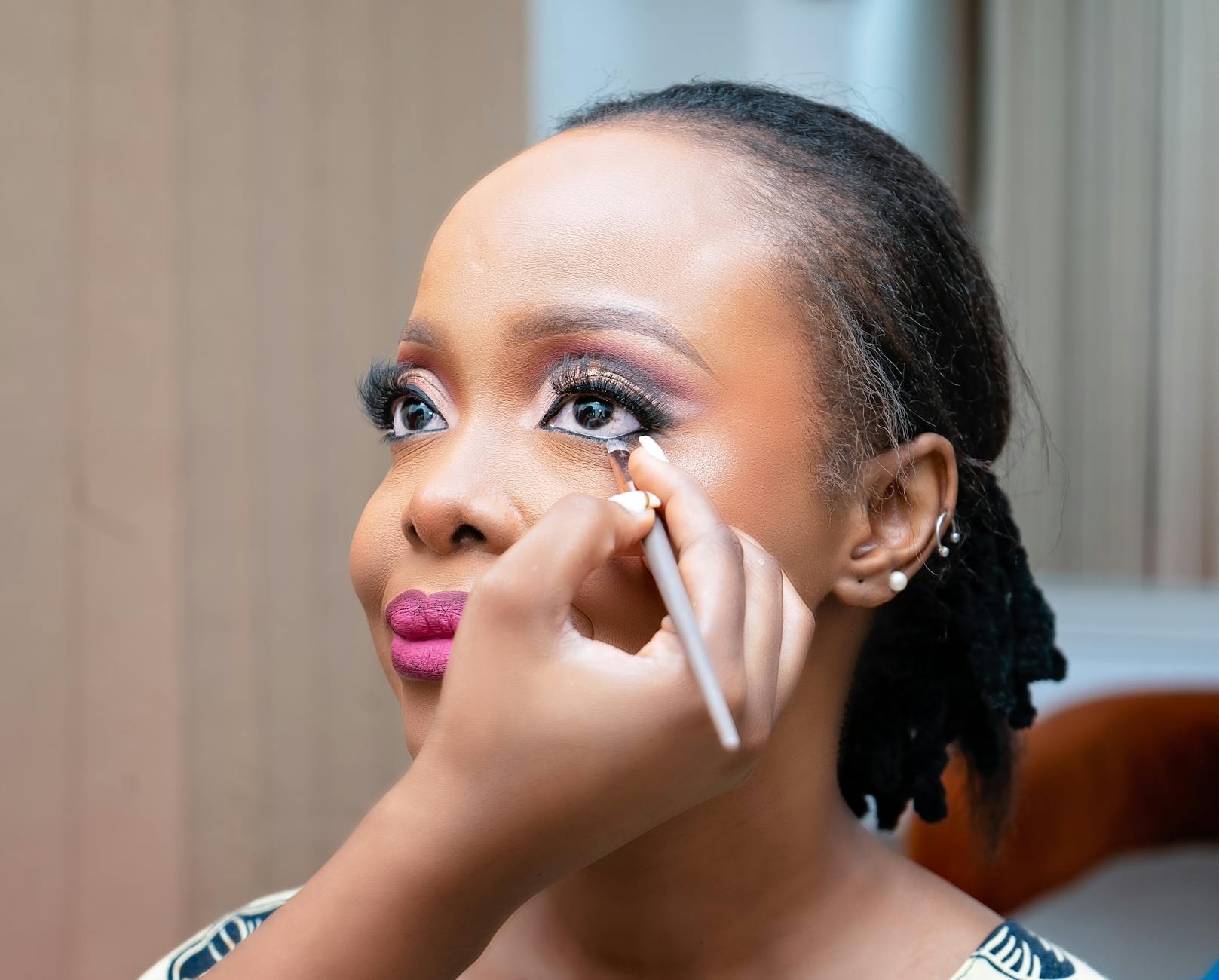
Makeup lesson products used by professional tutors depend on your skin type, climate challenges, and learning goals. At Vietnam Makeup Artist by Cáo MakeUp, we teach with foundation formulas that hold in Hanoi's heat, brushes designed for precision blending, and eyeshadow palettes offering high pigment without creasing. A typical 1-to-1 session in Hanoi or Ho Chi Minh City lasts 2–3 hours and includes hands-on practice: you'll work directly with long-wear liquids, cream products, and powder finishes we select for your undertone and deeper or lighter skin tone. Most lessons supply core tools—brushes, blending sponges, setting spray—but bringing your own preferred base product helps. Costs vary by duration and location; ask us for a quote on WhatsApp. What many learners overlook: products that photograph well indoors fail under natural light or in humidity. We select every item to survive the climate and your skin's reality. Book on WhatsApp +84 338 762 340
What foundation formulas work best in tropical heat?
Most foundations separate or slip in Vietnam's humidity unless they contain silicone polymers and water-resistant binders. Liquid bases with built-in primers perform longer than powder-only finishes. We teach with long-wear liquids that set matte or dewy depending on your preference and skin oiliness. Cream formulas suit dry skin but demand a firm hand to avoid patchiness in 35°C heat. Stick foundations offer portability but need strong brushwork to blend without streaking. In lessons, we demonstrate how undertone matching—warm, cool, or neutral—shifts under natural light versus studio conditions; a base that looks perfect indoors may appear ashy or orange outside. We focus on application speed: a skilled hand applies liquid base in under two minutes, giving you time to practice blending before it dries. The goal is teaching technique that works anywhere, not relying on the product to fix poor application.

Which brush types matter most for beginners?
Bristle density, hair fiber (natural vs. synthetic), and shape determine how a brush feels and performs. Beginners benefit most from synthetic hair brushes—easier to clean, hold pigment well, and suit all skin types—paired with one natural-hair blending brush for softer transitions. A starter lesson covers five core shapes: flat shader for lid work, fluffy blender for gradation, angled for liner and brows, flat foundation for base, and tapered for precision. Synthetic fiber performs better in humidity than natural hair, which absorbs moisture and swells. We teach brush control before product quantity; a damp brush with minimal pigment outperforms a wet brush loaded with color. Size matters less than technique: a small brush in confident hands beats a large one used tentatively. Most learners assume more brushes equal better results; actually, mastering three excellent brushes teaches more than owning twenty mediocre ones.
How do you match undertones for mixed or deeper skin?
Undertone matching is where lessons create the biggest confidence shift. Cool undertones sit blue or purple beneath the skin; warm tones lean golden or red; neutral blends both. Deeper and mixed skin tones reveal undertone shifts across the face—jawline may be warmer, cheekbones cooler. We use natural-light reference photos taken before the session to guide product choice. Foundations labeled "neutral" often lean pink under artificial light; we test on the jawline and blend toward the temple to confirm true match. For bridesmaids and group makeup sessions, we create an undertone map so all bases harmonize. Many high-street foundations skip shades 25–35 or offer them in warm-only ranges; we teach how to mix two bases to hit your exact tone. A lesson on makeup for every skin type includes swatches of three undertone families side-by-side so you learn the visual difference. The mistake most beginners make: trusting the bottle label instead of testing on skin in daylight.
What eyeshadow palettes teach blending without fallout?
Palettes designed for teaching have matte and shimmer finishes, minimal fallout (loose pigment that drifts), and a color story that builds naturally. We avoid single-color palettes; a complete lesson needs warm, cool, and neutral shifts so you practice multiple techniques. Cream shadows suit humid climates—they resist creasing longer than loose powders—but require a light hand to avoid muddiness. Pressed powder palettes offer variety and portability; choose brands with tight formulas and slight stickiness (adhesive binders) that cling to skin without flaking. Shimmer finishes teach dimensional techniques; we demonstrate how underblending creates depth, while overblending flattens the eye. A beginner-friendly palette contains 8–12 shades across a warm-to-cool spectrum. Fallout happens when pigment is too loose; test by tapping the brush on the lid—a faint dust is normal, visible clouds mean the formula is fragile and will migrate into creases. We select palettes that reward good technique and forgive minor mistakes, building your confidence early.
How long do lesson products last before replacing?
Opened liquids last 6–12 months if sealed after use; exposure to heat and humidity cuts this to 3–4 months. Cream products in jars last longer than stick formulas, which dry out faster. Brushes need weekly washing; synthetic hair resists damage for 1–2 years of regular use if cleaned gently. Eyeshadow palettes remain viable for years if kept dry, but matte shades compress with repeated use. We replace all lesson products quarterly regardless of visible product remaining—cross-contamination and bacterial growth are invisible. Powder products accumulate humidity; if a palette feels damp or smells faintly off, discard it. In makeup at your hotel sessions, we transport only fresh products to avoid carrying formula that's been open in your bathroom for months. Learners often ask if they should buy the exact products we teach with; the honest answer is no—technique transfers across quality brands, but product quality affects how forgiving the tool is while you're learning. Invest in mid-range bases and shadows, not luxury or drugstore extremes, until your hand is steady.

Decision Framework: Choosing Your First Lesson Kit
| Product Category | Best For | Why It Works in Vietnam | Honest Trade-Off |
|---|---|---|---|
| Long-wear liquid foundation (warm, neutral, cool) | Every skin type & undertone | Sets fast, resists separation in heat, buildable coverage | Slight initial shine; matte finish develops over 10 min |
| Cream base or powder alternative | Dry or mature skin | Blends without streaking, hydrates visibly | Requires setter spray to survive 4+ hours |
| Synthetic fiber brushes (5-piece set) | Beginners | Affordable, durable, easy to clean | Less tactile feedback than natural hair |
| Pressed eyeshadow palette (8–16 shades) | Learning blending | Minimal fallout, lasts years, clear color progression | Shimmer finishes need a damp brush to activate |
| Gel or cream eyeliner | Precision & longevity | Waterproof, won't smudge in humidity, travels easily | Steep learning curve; requires brush control |
| Setting spray (long-wear formula) | All finishes | Locks makeup for 8+ hours even in 35°C heat | Slight texture change; some feel "heavy" initially |
What to Check Before You Buy
Test undertone before purchase: Visit a shop with natural light (near a window) or ask for samples to trial at home. Foundation is personal; brand reputation matters less than fit.
Feel the brush bristles: Squeeze gently—synthetic should spring back within 2 seconds. Limp bristles indicate low-quality fiber.
Open palettes in-store: Tap the surface and inspect the pan. Visible cracks or loose pigment signal poor pressing.
Check product dates: Especially for cream formulas. Dates printed on the base or lid should be within 6 months.
Ask about returns: Opened makeup cannot be resold, so confirm the shop's policy before paying. Most professional brands offer 30-day exchanges for color mismatch only.
Watch application videos: Search for your chosen product on YouTube with "humid climate" or "Southeast Asia" to see real-world performance. Ads won't show you flaws that emerge after 2 hours.
Five Core Products Every Lesson Includes
We work with foundations that account for humidity's effect on undertone. Warm bases can shift yellow by midday; cool foundations may appear lavender in natural light. During a makeup class, we teach how to adjust with bronzer or blush if you notice drift.
Brushes are the only reusable investment. A quality synthetic set costs more upfront but outlasts 20+ budget alternatives. Natural hair introduces variables—swelling in moisture, drying inconsistently—that distract from learning.
Cream eyeshadows survive longer than loose powders in your climate, but we demonstrate both so you recognize the performance difference. Pressed palettes remain the safest choice for learning because fallout won't interrupt your focus.
Setting spray is non-negotiable in Vietnam. We apply it as a final step; formulas vary in finish (dewy vs. matte), so trials matter. A spray that feels heavy indoors might feel normal after 20 minutes as it dries.
Lip products rarely feature in foundation lessons, but we include one neutral shade so you practice face harmony. Liquid lip tints outlast matte lipsticks in heat; we show the formula difference so you choose post-lesson.
Book on WhatsApp +84 338 762 340
How We Customize Products for Your Skin
Every student fills a brief before arrival: skin type (oily, dry, combination, sensitive), undertone (if known), and climate challenges (humidity, sun exposure, frequent sweating). We match palettes, bases, and brush sizes to that profile. A groom or male student may need matte, fast-drying formulas; a bridal makeup client requires products that photograph well and survive 8+ hours under stage lights and outdoor heat. For deeper skin tones, we test foundations on the jawline and blend toward the ear—lighting and surrounding color shift perception, so we use multiple references. Mixed undertones benefit from trial shades combined; we teach the mixing technique so you can replicate it at home. Mature skin lessons emphasize hydrating bases and minimal powder to avoid emphasis on fine lines—product choice directly affects the teaching outcome. We avoid one-size-fits-all assumptions; a product perfect for a student in a 1-to-1 session may fail for group and bridesmaids makeup, where speed and shared undertones matter more.
Why Product Choice Affects Learning Speed
A student's confidence peaks or crashes within 15 minutes based on whether the product cooperates. A foundation that separates around the nose breaks focus; a palette with heavy fallout forces pause-and-wipe moments that interrupt flow. We select products that forgive imperfect blending while still rewarding good technique. Beginner-friendly formulas have slight tackiness (adhesive binders) so they stay put even if blending is tentative. Professional-grade products demand precision; using them in a first lesson teaches frustration, not skill. We reserve advanced formulas for returning students whose technique is confident. The cost difference is minimal—beginner palettes and professional palettes often share the same price range—but formulation differs. A lesson with forgiving products teaches technique faster than a lesson where half the time is spent troubleshooting product behavior.
FAQ
Can I bring my own products to a lesson?
Yes. We recommend it if you own mid-range bases or shadows you use daily. We'll teach using your formula so techniques transfer directly home. Bring foundations in two undertones (warm and cool) if you're unsure of your match; we'll confirm during the session and adjust with blush or bronzer if needed.
What if I have very oily or very dry skin?
We adjust product choice and application technique to match. Oily skin lessons use matte primers and long-wear bases; dry skin lessons swap in hydrating formulas or cream shadows. A 1-to-1 session begins with a skin assessment so we select the right product category before teaching begins.
Do I need to buy the products we use in the lesson?
No. We teach transferable technique, not brand loyalty. Any mid-range product in your undertone will work at home. We recommend quality over price; aa quoted pricefoundation that matches your undertone beats aa quoted priceproduct in the wrong shade, regardless of brand reputation.
How do I know if a product is "humid-climate proof"?
Look for "waterproof," "long-wear," or "all-day" claims on the label. Test by wearing it for 4+ hours in warm weather and noting whether it separates, creases, or shifts color. We teach product testing so you develop that judgment yourself rather than trusting marketing alone.
What's the difference between synthetic and natural hair brushes?
Synthetic hair resists moisture, cleans easily, and suits beginners. Natural hair (sable, squirrel) holds pigment better but swells in humidity and dries slowly. In Vietnam's climate, synthetic is more reliable; natural hair is a future investment once your technique is solid and you control moisture exposure.
Do I need a setting spray if I have combination skin?
Yes, even more so. Combination skin has oily zones (T-zone, chin) and dry patches (cheeks). A setting spray creates an even finish across both, preventing separation in the oily area and emphasizing dry patches. We teach targeted spray application so you control where it lands.
Can I use products from different brands in one look?
Absolutely. Different brands often perform better in different categories—one foundation might be best, another brand's shadows superior. We teach so you mix confidently without worrying about "compatibility." Technique matters more than brand cohesion. --- Book on WhatsApp +84 338 762 340 | Plan your wedding-day look
Where are Cáo MakeUp's studios?
Cáo MakeUp has 6 studios across Vietnam: Hanoi: 11 Lien Tri, Hoan Kiem · 15A1 KDT Dai Kim, Hoang Mai · D02-L44 An Vuong, KDT Duong Noi; Ho Chi Minh City: A1.12 Ha Kieu Apartment, Street No. 20, An Nhon Ward, Go Vap; Da Nang: 108 Hoi Kieng 18, Ngu Hanh Son Ward; Hue: 63 Vo Duy Ninh, Thanh Thuy Ward, Hue. Hotline +84 865 239 183 · WhatsApp +84 338 762 340.
Book an artist
Tell us the city, the date, the occasion and how many people. We reply on WhatsApp in English with options and a quote.
FAQ
Can I bring my own products to a lesson?
Yes. We recommend it if you own mid-range bases or shadows you use daily. We'll teach using your formula so techniques transfer directly home. Bring foundations in two undertones (warm and cool) if you're unsure of your match; we'll confirm during the session and adjust with blush or bronzer if needed.
What if I have very oily or very dry skin?
We adjust product choice and application technique to match. Oily skin lessons use matte primers and long-wear bases; dry skin lessons swap in hydrating formulas or cream shadows. A 1-to-1 session begins with a skin assessment so we select the right product category before teaching begins.
Do I need to buy the products we use in the lesson?
No. We teach transferable technique, not brand loyalty. Any mid-range product in your undertone will work at home. We recommend quality over price; a $15 foundation that matches your undertone beats a $5 product in the wrong shade, regardless of brand reputation.
How do I know if a product is "humid-climate proof"?
Look for "waterproof," "long-wear," or "all-day" claims on the label. Test by wearing it for 4+ hours in warm weather and noting whether it separates, creases, or shifts color. We teach product testing so you develop that judgment yourself rather than trusting marketing alone.
What's the difference between synthetic and natural hair brushes?
Synthetic hair resists moisture, cleans easily, and suits beginners. Natural hair (sable, squirrel) holds pigment better but swells in humidity and dries slowly. In Vietnam's climate, synthetic is more reliable; natural hair is a future investment once your technique is solid and you control moisture exposure.
Do I need a setting spray if I have combination skin?
Yes, even more so. Combination skin has oily zones (T-zone, chin) and dry patches (cheeks). A setting spray creates an even finish across both, preventing separation in the oily area and emphasizing dry patches. We teach targeted spray application so you control where it lands.
Can I use products from different brands in one look?
Absolutely. Different brands often perform better in different categories—one foundation might be best, another brand's shadows superior. We teach so you mix confidently without worrying about "compatibility." Technique matters more than brand cohesion. --- [💄 Book on WhatsApp +84 338 762 340](https://wa.me/84338762340) | 👰 Plan your wedding-day look
Where are Cáo MakeUp's studios?
Cáo MakeUp has 6 studios across Vietnam: Hanoi: 11 Lien Tri, Hoan Kiem · 15A1 KDT Dai Kim, Hoang Mai · D02-L44 An Vuong, KDT Duong Noi; Ho Chi Minh City: A1.12 Ha Kieu Apartment, Street No. 20, An Nhon Ward, Go Vap; Da Nang: 108 Hoi Kieng 18, Ngu Hanh Son Ward; Hue: 63 Vo Duy Ninh, Thanh Thuy Ward, Hue. Hotline +84 865 239 183 · WhatsApp +84 338 762 340.
More like this
Makeup classes
Self Makeup Course in Da Nang: English-Speaking Lessons & 1-on-1 Training
Cáo MakeUp offers bespoke English-language makeup courses in Da Nang, taught by senior artists who specialize in heat-proof technique and undertone matching for every skin type in Vietnam's tropical humidity.
Makeup classes
Self Makeup Course District 1: Choose Your Hanoi Class
Choosing a self-makeup course in District 1, Hanoi means weighing class size, skill level, and whether you want bridal, everyday, or photoshoot techniques. Cáo MakeUp's 1-to-1 and group sessions teach you to apply makeup that lasts in Vietnam's heat and humidity.
Makeup classes
Self Makeup Course: How to Book in Hanoi, HCMC & Da Nang
Booking a self-makeup course in Vietnam is straightforward: choose your city, confirm availability on WhatsApp, and schedule a session that fits your skill level and travel dates. We guide you through every step.